Back to Industry Insights

Pre-Engineered Metal Building Construction: US Market Trends

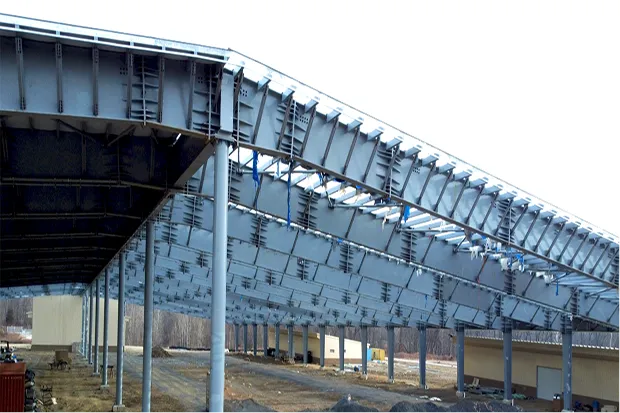
As leaders in the field of metal building construction, we are excited to delve into the evolving landscape of pre-engineered metal building (PEMB) construction in the United States. This sector, encompassing everything from industrial building construction to structural steel buildings, continues to transform how we approach modern infrastructure. With rapid advancements in design and efficiency, PEMB construction offers versatile solutions for a wide array of applications, from warehouses to commercial facilities.

Overview of PEMB Growth in US Infrastructure

The US market for pre-engineered metal buildings has experienced remarkable expansion, fueled by surging demand in infrastructure and industrial sectors. According to recent projections, the pre-engineered metal building market was valued at approximately USD 12.98 billion in 2024 and is expected to reach USD 27.10 billion by 2033, growing at a compound annual growth rate (CAGR) of 8.6%. This growth is largely driven by economic development in western and southern states, where off-site construction methods like PEMB are increasingly adopted for their speed and efficiency.

Key factors contributing to this surge include:

  • Boom in E-commerce and Warehousing: The rise of fast-moving consumer goods (FMCG) and online retail has spurred demand for expansive distribution centers. PEMB construction excels here, providing quick assembly and customizable spaces that adapt to logistics needs.
  • Infrastructure Investments: The Bipartisan Infrastructure Law, allocating USD 1.2 trillion for enhancements in transportation, energy, and water systems, has accelerated the use of metal buildings in public projects. Structural steel buildings are ideal for these initiatives due to their durability and ability to withstand diverse environmental conditions.
  • Manufacturing Resurgence: With US manufacturing output projected to hit USD 5 trillion by 2025, industrial building construction using PEMB has become essential for scalable factories and plants.
We see PEMB as a game-changer in addressing urban expansion, where rapid urbanization demands resilient infrastructure. For instance, the manufacturing segment alone accounted for 33.8% of PEMB revenue in 2023, with continued growth anticipated through 2030. This trend underscores how metal building construction integrates seamlessly into broader economic goals, promoting efficiency and sustainability.

Highlighting Regulatory Compliance in PEMB Construction

Navigating regulatory compliance is crucial in PEMB construction to ensure safety, energy efficiency, and longevity. In the US, all 50 states adhere to the International Building Code (IBC) with state-specific amendments, which govern everything from structural integrity to environmental impact. For structural steel buildings, compliance involves rigorous testing for wind-uplift resistance, air infiltration, and water penetration, often aligned with standards like ASTM E283 and E1646.

Important regulatory considerations include:

  • Energy Codes: Metal buildings must meet ASHRAE standards for thermal performance, with U-factors for roofs and walls ensuring minimal energy loss. Tools like COMcheck software help verify compliance.
  • Safety and Occupational Standards: OSHA regulations, such as 1926.758 for systems-engineered metal buildings, mandate proper erection procedures to prevent accidents during metal building construction.
  • Local Permits and Codes: Building permits vary by jurisdiction, requiring coordination with local authorities for seismic, wind, and snow loads. Pre-engineered designs facilitate easier approval by incorporating these factors upfront.
At MB Phenix, we prioritize these standards in every project, ensuring our PEMB solutions not only meet but exceed expectations. This focus on compliance reduces risks and enhances the overall value of industrial building construction, making it a reliable choice for clients nationwide.

Discussing Capacity for Tons/Year in the US Market

The production capacity for structural steel buildings In the US reflects a robust industry poised for further growth. In 2025, US raw steel production totaled over 89 million net tons, with capability utilization averaging around 76.7%. This output supports the PEMB sector, where steel is a primary material for frames, panels, and supports.

Breaking down the capacity:

  • Annual Steel Output: Adjusted year-to-date figures through late 2025 show production at approximately 89.3 million net tons, a 3.4% increase from 2024. For PEMB specifically, the manufacturing application segment is projected to grow fastest, leveraging this steel supply.
  • Expansion Trends: New mills and upgrades are adding capacity, with forecasts indicating a potential 21 million tons increase in production capability from 2025 onward. This includes investments in green steel and automation to meet rising demand.
  • Regional Distribution: Production is concentrated in the Southern US (around 770,000 tons weekly), followed by the Great Lakes region, aligning with PEMB growth hotspots.
This capacity ensures that metal building construction can scale to meet infrastructure needs, with PEMB utilizing efficient prefabrication to minimize waste and maximize output. As we continue to innovate, these figures highlight the industry's resilience and potential for sustained expansion.

Conclusion

In summary, pre-engineered metal building construction is thriving in the US, driven by infrastructure growth, stringent regulatory compliance, robust production capacities, and promising export ties with Latin America.As we at MB Phenix US continue to lead in this space. Tthese trends affirm the enduring appeal of metal buildings for their adaptability and efficiency. Whether for industrial building construction or expansive structural steel projects, PEMB remains a forward-thinking choice in today's dynamic market.