Understanding Pre-Engineered Metal Buildings: Benefits and Role for the USA Market
In the ever-evolving landscape of construction, pre-engineered metal buildings have emerged as a cornerstone for efficient and durable structures across various sectors. As leaders in PEMB construction, we at MB Phenix understand the critical role these buildings play in meeting the demands of modern industrial building construction. With a focus on sustainability, speed, and cost-effectiveness, pre-engineered metal buildings are transforming how businesses approach expansion and development.
What are Pre-Engineered Metal Buildings?
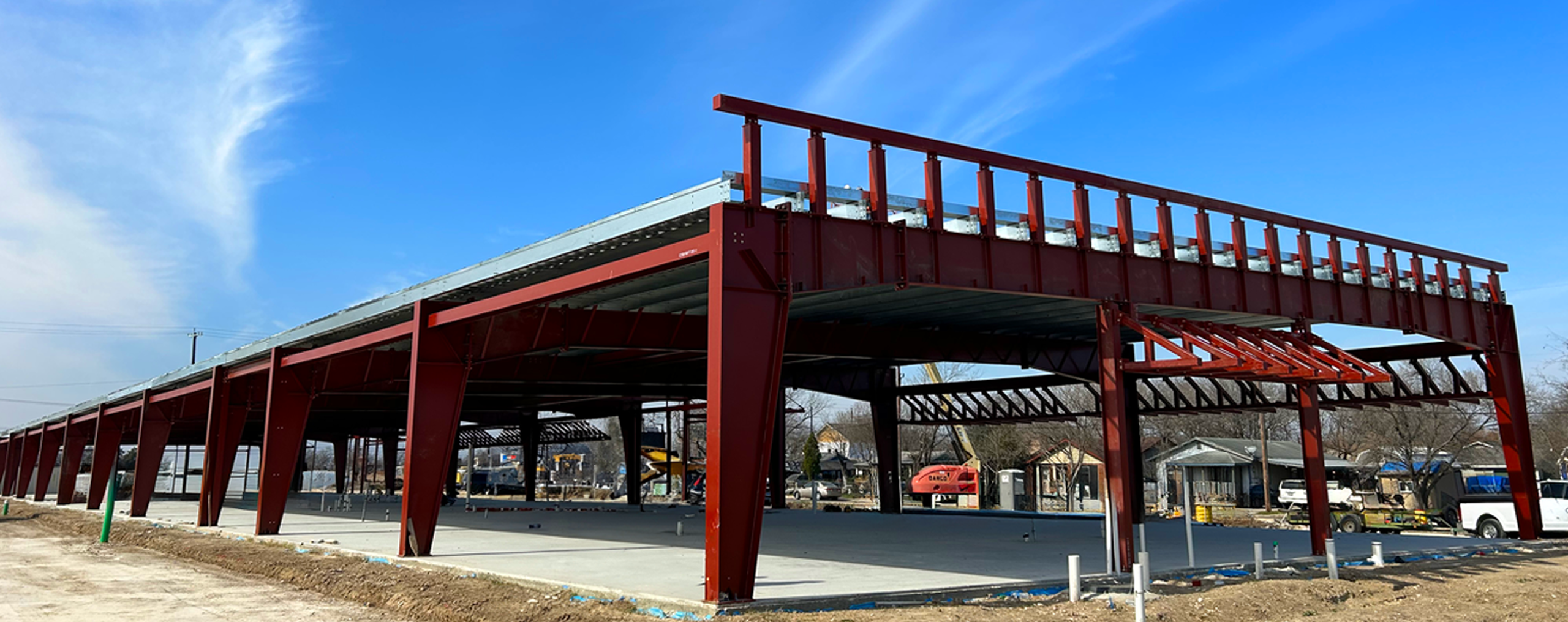
Pre-engineered metal buildings, often abbreviated as PEMBs, are factory-built structures designed to be assembled on-site with minimal customization required during construction. This approach contrasts with traditional methods by prioritizing prefabrication, which reduces waste and accelerates timelines. In PEMB construction, components like frames, walls, and roofs are engineered ahead of time using advanced software, ensuring precision and compliance with local building codes.
These buildings are particularly popular in industrial building construction due to their versatility.
Key advantages include:
- Durability and Strength: Made from high-quality steel, they withstand extreme weather, seismic activity, and heavy loads.
- Cost Efficiency: Reduced labor and material costs make them an economical choice for large-scale projects.
- Sustainability: Many incorporate recycled materials, aligning with green building practices.
As the demand for metal buildings grows, top manufacturers distinguish themselves by integrating cutting-edge techniques into their processes.
The Role of In-House Engineering in PEMB Construction
One of the hallmarks of leading manufacturers in metal building construction is their commitment to in-house engineering. This integrated approach allows for seamless control over the design and fabrication phases, ensuring that every pre-engineered metal building meets exact specifications without relying on external vendors. By handling engineering internally, we can optimize structural steel buildings for efficiency, incorporating client feedback directly into the blueprints.
In-house engineering teams use sophisticated tools like CAD and BIM software to simulate building performance under various conditions. This not only minimizes errors but also enhances customization options, such as incorporating energy-efficient features or specialized load-bearing capabilities. For instance, in industrial building construction, this means designing structures that support heavy machinery while maintaining open floor plans.
Benefits of in-house engineering include:
- Faster Turnaround: Direct communication between designers and fabricators speeds up revisions.
- Quality Assurance: Continuous oversight ensures compliance with industry standards.
- Innovation Integration: Engineers can experiment with new materials and designs, pushing the boundaries of PEMB construction.
Top performers in this field invest heavily in their engineering departments, often employing certified professionals who stay ahead of regulatory changes and technological advancements.
Highlighting AISC Certifications in Metal Building Construction
AISC certifications from the American Institute of Steel Construction are a benchmark for excellence in structural steel buildings. These credentials verify that manufacturers adhere to rigorous quality management systems, covering everything from fabrication to erection. In the competitive world of metal buildings, holding AISC certifications signals a dedication to safety, reliability, and superior craftsmanship.
For pre-engineered metal building manufacturers, AISC certification involves audits that assess processes like welding, material handling, and structural integrity. This ensures that every component in PEMB construction meets national standards, reducing the risk of failures and enhancing longevity.
We prioritize these certifications because they build trust with clients, particularly in high-stakes industrial building construction where structural failures are not an option.
Key aspects covered by AISC certifications include:
- Fabrication Standards: Ensuring precise cutting, bending, and assembly of steel elements.
- Erection Practices: Guidelines for safe and accurate on-site assembly.
- Quality Control: Regular inspections and documentation to maintain consistency.
Manufacturers with these certifications often rank higher in industry evaluations, as they demonstrate a proactive approach to quality in metal building construction.
Innovation Rankings in Structural Steel Buildings
Innovation is driving the evolution of structural steel buildings, with top pre-engineered metal building manufacturers leading the charge through groundbreaking advancements. Recent industry reports highlight trends like the integration of smart technologies, sustainable materials, and automation, which are reshaping PEMB construction. In 2026, innovation rankings from sources such as
Metal Construction News emphasize companies that excel in energy efficiency and resilience.
Current innovation trends include:
- Energy-Efficient Designs: Advanced insulation and solar integrations to lower operational costs.
- Resilient Features: Enhanced designs for extreme weather, crucial in industrial building construction.
- Hybrid Materials: Combining steel with composites for lighter, stronger structures.
These innovations
improve performance and position peb manufacturers favorably in market rankings, where factors like tonnage produced and square footage covered reflect their impact on the sector.
How MB Phenix sets Apart in the USA Market?
n the USA, we as pre-engineered metal building manufacturers stand out by blending tradition with forward-thinking strategies. We focus on comprehensive services, from initial consultation to final installation, ensuring a hassle-free experience for clients
Innovation rankings further differentiate leaders, as they adopt technologies that address modern challenges like climate change and supply chain disruptions. For structural steel buildings, this means creating adaptable designs that support future expansions. We at MB Phenix embody these principles, delivering projects that exceed expectations in efficiency and durability.
Factors that elevate top manufacturers:
- Client-Centric Approach: Custom solutions based on specific industry needs.
- Supply Chain Mastery: Sourcing high-grade materials to ensure reliability.
- Commitment to Excellence: Continuous training and investment in R&D.
By prioritizing these elements, the best in the field contribute to the growth of industrial building construction nationwide.
Conclusion
As we navigate the dynamic world of metal building construction, the top pre-engineered metal building manufacturers in the USA continue to set standards through robust in-house engineering, stringent AISC certifications, and high innovation rankings. These elements ensure that structural steel buildings remain a preferred choice for their strength, efficiency, and adaptability.


.png)