Back to Industry Insights

Why Are Pre-Engineered Metal Buildings the Future of Sustainable Construction in the U.S.?

Businesses and developers across the United States are searching for construction solutions that are faster, more sustainable, and built to last. Pre-engineered metal buildings are emergingas a smarter, forward thinking approach offering efficiency, durability, and environmental responsibility in one complete package.

How Is Sustainable Construction Shaping the Future of the U.S.?

The U.S. construction industry is at a critical turning point. Buildings account for a significant portion of the nation’s energy consumption, material waste, and carbon emissions. As a result, developers, business owners, and local governments are under increasing pressure to adopt smarter building practices.

Environmental concerns are no longer a distant challenge. Rising material costs, increasing landfill waste, and stricter energy regulations are driving the shift toward greener construction methods. Fortunately, a practical and proven solution already exists.

Pre-engineered metal buildings are stepping up as a modern answer providing cleaner, more efficient path forward for commercial construction across the U.S.

What Exactly Are Pre-Engineered Metal Buildings?

Pre-engineered metal buildings are steel structures that are fully designed and manufactured inside a controlled factory environment. Every beam, panel, and bolt is precision engineered before anything arrives on your site.

Unlike traditional construction, where materials are cut and assembled on-site under unpredictable conditions, pre-engineered metal buildings arrive ready to be put together like a well-planned system.

Less guesswork. Less waste. More control.

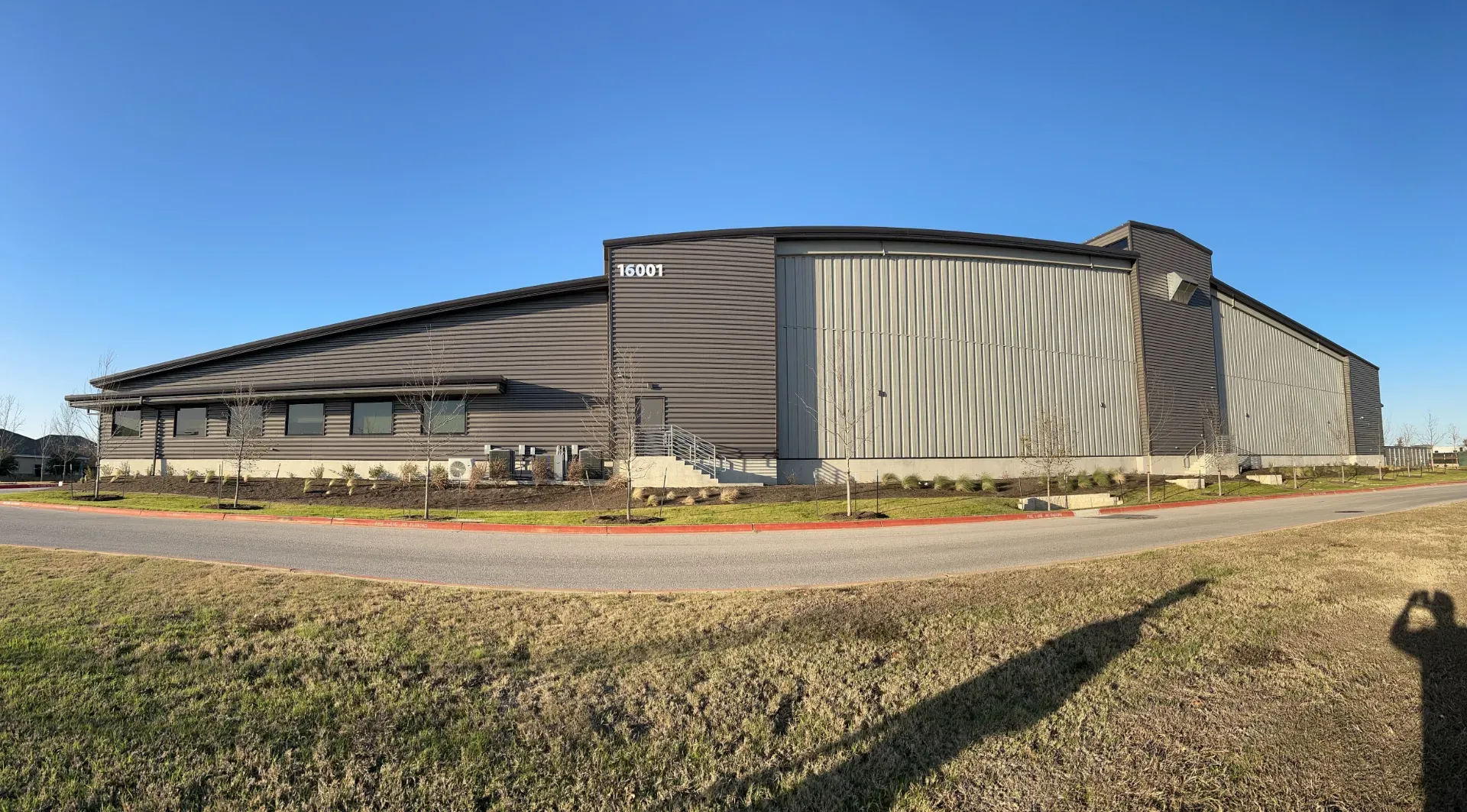
Across the United States, the popularity of pre-engineered building  is rapidly growing. Warehouses, offices, retail centers, and industrial facilities are all turning to this method as a smarter way to build.

How Do Pre-Engineered Metal Buildings Help Reduce Construction Waste?

Traditional construction projects generate large amounts of waste, including offcuts, excess materials, and packaging that often end up in landfills. Factory based production significantly reduces this issue.

Each component in a pre-engineered metal building is manufactured with precision, minimizing excess material. Any unused steel can typically be recycled back into the production process.

For developers focused on sustainability goals, this reduction in waste is one of the most compelling advantages of switching to pre-engineered systems.

Can Metal Buildings Truly Be Considered Eco-Friendly?

Steel is one of the most recyclable materials in the world, and pre-engineered metal buildingsare built with that in mind. At the end of their life cycle, steel components can be fully reclaimed and reused instead of discarded.

These structures are also highly durable. A well designed pre-engineered metal building can last 25+ years with minimal maintenance.

Fewer repairs. Fewer replacements. Less material consumption over time.

This combination of durability and recyclability makes pre-engineered metal buildings  a genuinely eco-friendly choice for businesses and developers in the U.S.

How Do Pre-Engineered Metal Buildings Improve Energy Efficiency?

Energy consumption is one of the largest ongoing expenses for commercial buildings.

Pre-engineered metal buildings are designed with high-quality insulation systems that help maintain consistent indoor temperatures. Improved sealing reduces air leakage, minimizing the workload on heating and cooling systems.

Over time, this results in noticeable savings on energy bills. More importantly, lower energy usage contributes to a reduced environmental footprint an essential goal for sustainable construction in the U.S.

Where Are Pre-Engineered Metal Buildings Being Used Across the US?

One of the greatest strengths of pre-engineered metal buildings is their versality. They are suitable for a wide range of applications across different regions.

From large warehousing and logistics hubs to retail spaces, agricultural storage facilities, and modern industrial units, these structures support diverse infrastructure needs nationwide.
They are also commonly used for:
  • Office buildings

  • Auto service centers

  • Recreational facilities

  • Community halls

No matter the application, pre-engineered metal buildings can be customized to meet specific requirements.

How Do Pre-Engineered Metal Buildings Support America's Sustainable Future?

The benefits are clear: reduced material waste, full steel recyclability, strong energy efficiency, long structural lifespan, and faster build times. Pre-engineered metal buildings bring all these advantages together in one practical solution.

As sustainability become more central to the future of construction in the U.S., choosing the right construction method matters more than ever. Pre-engineered metal buildings are not just a trend, they represent a long term investment in a cleaner, more efficient future.

That is where MB Phenix  comes in. With over 18 years of global experience, MB Phenix specializes in delivering precision-built, sustainable pre-engineered metal buildings tailored for commercial/industrial projects. Our team ensures every building meets the highest standards, from design to completion. Every project is delivered on time, within budget, and built to last.